


Signs It’s Time to Replace Your HVAC System: Expert Guidance on Lifespan, Failure Indicators, and Energy Efficient Upgrades
At Steady Air LLC, we understand how essential a well-functioning HVAC system is for your comfort and energy savings in Graham, WA. Determining the right time to replace your HVAC system can be challenging, but recognizing key indicators helps avoid unexpected failures and high operating costs. We have put together this guide to help you identify signs that suggest a replacement, understand the typical lifespan of HVAC systems, and explore options for energy-efficient upgrades that benefit both your wallet and the environment.
When navigating HVAC maintenance and replacement, being aware of warning signs such as increased energy bills, frequent repairs, and uneven heating or cooling is crucial. These symptoms can indicate your system is nearing the end of its efficient life. Alongside this, we’ll share insights into typical system lifespans, factors affecting longevity, and the advantages of upgrading to modern, energy-efficient models. Our goal is to empower you to make confident, informed decisions about your HVAC needs.
Signs That Indicate It’s Time to Replace Your HVAC System Include:
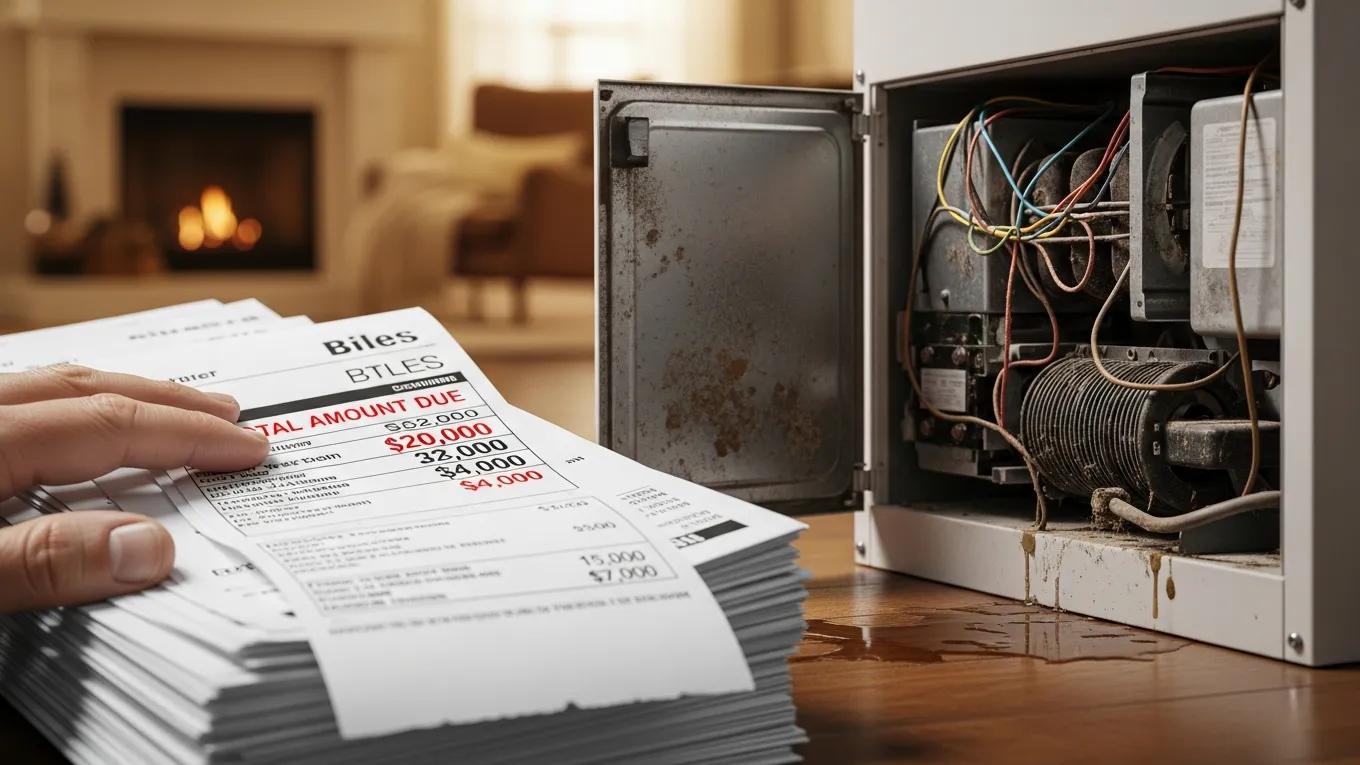
There are several clear signs that suggest replacing your HVAC system may now be necessary. These symptoms typically point to reduced efficiency and a risk of higher costs if left unaddressed:
- Age of the System: Most HVAC systems are designed to last approximately 15 to 25 years. If your unit is approaching or exceeding this range, it may not deliver optimal heating and cooling, and replacement should be considered to enhance comfort and efficiency.
- Rising Energy Bills: When your energy costs start climbing despite consistent usage habits, it may mean that your HVAC system is losing efficiency. This gradual decline can result in increased monthly expenses, making a new, efficient system a cost-saving solution.
- Frequent Repairs: If your HVAC system requires repairs on a regular basis, it often signifies that the equipment is aging or malfunctioning significantly. Continual repair expenses accumulate and waiting too long to replace can prove more costly over time.
- Inconsistent Temperatures: Challenges in maintaining an even temperature throughout your home can indicate system performance issues. Rooms that are too hot or cold may point to problems that a replacement system can resolve more effectively than repairs.
Identifying these signs early on provides an opportunity to prevent costly breakdowns and benefit from a more efficient heating and cooling solution.
Understanding the Typical HVAC System Lifespan and Its Importance
The longevity of your HVAC system depends on multiple factors including system type, operational use, and maintenance routines. Awareness of these aspects is key to planning for system replacement and ensuring continuous home comfort.
Traditional HVAC systems like furnaces and air conditioners generally serve homes for about 15 to 25 years with proper care. Heat pumps, which provide both heating and cooling, tend to last around 10 to 15 years. Evaluating your system’s age alongside factors such as maintenance records and environmental conditions will help determine its expected service life.
Being informed about your HVAC system’s projected lifespan allows you to prepare financially and schedule replacements before unexpected failures occur.
Key Factors That Influence Your HVAC System’s Longevity:
Several elements directly impact how long your HVAC equipment will function effectively:
- Maintenance Frequency: By ensuring your system undergoes regular inspections and servicing, you can protect it from undue wear and extend its operational life. At Steady Air LLC, we recommend scheduled maintenance to catch potential issues early and maintain efficiency.
- Usage Patterns: Seasonal extremes and daily usage affect wear and tear on your system. Heavy usage during hot summers or cold winters can accelerate aging, requiring earlier replacement if not properly managed.
- Quality of Installation: Professional setup by qualified technicians is critical. Improper installation can cause premature component failure and frequent malfunctions that reduce system lifespan. We pride ourselves on providing precise, expert installations in Graham, WA, to maximize durability.
By focusing on these factors, you can enhance your HVAC system’s longevity, enjoy improved performance, and avoid premature replacement.
Common Indicators of HVAC System Failure
Anticipating the failure of your HVAC system allows you to act proactively. Key symptoms include:
- Rising Energy Bills: Increased monthly utility expenses often point to declining system efficiency. An older or malfunctioning unit typically consumes more energy to maintain desired comfort levels.
- Frequent Repairs: If you find yourself repeatedly scheduling service calls, this signals that your system is struggling. At times, investing in a replacement will yield better value than continual repairs.
- Inconsistent Temperatures: Struggling to maintain consistent warmth or cooling within your home suggests reduced system capacity that warrants professional evaluation and possibly replacement.
Recognizing these indicators early can help you avoid unexpected failures and minimize costly energy use.
Considerations for Energy-Efficient HVAC Upgrades
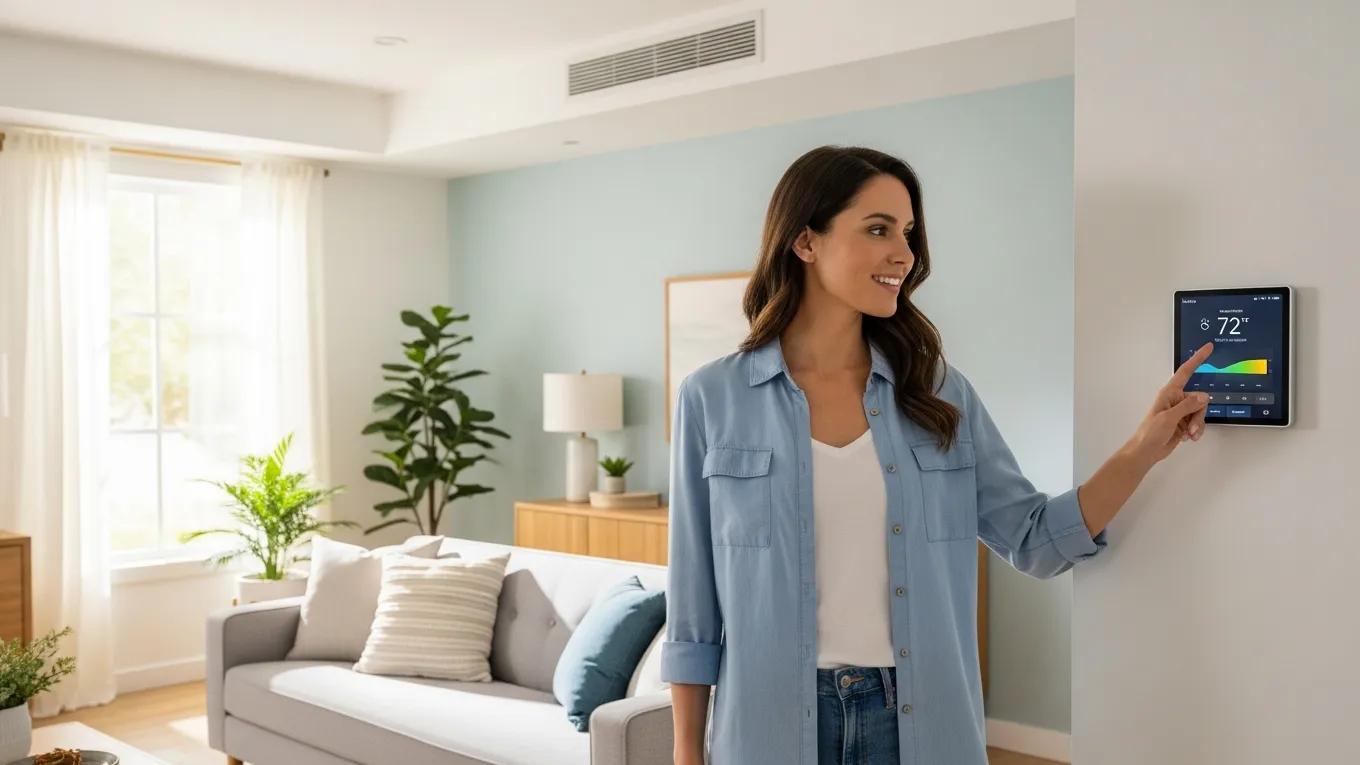
Choosing a new, energy-efficient HVAC system brings many long-term benefits that significantly improve your home environment here in Graham, WA. The advantages of upgrading include:
- Reduced Energy Bills: Cutting-edge HVAC units are engineered for superior efficiency, which translates into meaningful monthly savings on your utility bills. Over time, these savings can offset the upfront cost of installing a new system.
- Positive Environmental Impact: Newer, energy-efficient models produce fewer emissions, helping reduce your carbon footprint. Investing in such technology supports sustainability efforts and reflects responsible home stewardship.
- Enhanced Indoor Air Quality: Modern HVAC systems often incorporate advanced filtration and improved humidity control features. This results in cleaner air and a healthier indoor environment for you and your family.
These factors make energy-efficient upgrades an excellent choice to elevate your home comfort and contribute to environmental wellness.
Typical Lifespans of Various HVAC System Types
Knowing estimated service durations for different HVAC equipment helps you anticipate replacement timing:
- Furnaces: Generally last between 15 and 20 years when properly maintained. Investing in routine checks extends operational life.
- Air Conditioners: Often remain effective for 12 to 15 years. Timely maintenance can prolong use and performance.
- Heat Pumps: Typically serve homes for around 10 to 15 years depending on conditions and upkeep.
Understanding these ranges is important for budgeting and maintenance planning in Graham, WA.
Why Knowing Your HVAC System’s Lifespan Is Essential for Replacement Planning
Being aware of your system’s expected lifespan enables strategic decision-making about repairs and replacements. Systems nearing the end of their service life tend to operate less efficiently and incur higher costs, making timely upgrades a practical choice.
Key Signs of HVAC System Failure That Suggest Replacement
Major signs that your HVAC system may require replacement include:
- System Age: Units older than approximately 15 to 25 years typically experience declining performance and are good candidates for replacement.
- Repair Expenses: When repair costs approach a significant percentage of the value of a new system, it is generally more cost-effective to invest in replacement.
- Performance Problems: Inconsistent heating or cooling effectiveness is a clear indication that a replacement could better meet your comfort needs.
Identifying these factors early can prevent emergency breakdowns and improve overall system effectiveness.
How Performance Issues Signal HVAC Decline
Decreasing system efficiency is often noticeable by fluctuating indoor temperatures and increased operational noise. If your HVAC system needs to work harder to maintain comfort, this inefficiency drives up energy usage and may mean your system is failing.
Why Unusual Noises and Frequent Repairs Are Warning Signals
Sounds such as grinding, squealing, or rattling are symptoms of mechanical problems that, coupled with frequent repair needs, suggest the system may be beyond economical repair. Continuous monitoring ensures you don’t miss these critical signs.
When to Consider Upgrading Rather Than Repairing Your HVAC System
The decision to upgrade instead of continue repairing a system hinges on considerations like equipment age, frequency of breakdowns, and overall performance levels. If repairs become more regular and costly, investing in a new system often offers greater long-term reliability and savings.
Comparing Repair Costs Versus Replacement Investment
Evaluating cumulative repair expenses relative to the cost of a new HVAC system provides valuable insights. When repair bills near or exceed a substantial portion of replacement costs, purchasing a new unit may be the financially prudent solution.
Risks of Extending Use of an Aging HVAC System
Continued use of an older HVAC system involves risks such as:
- Higher Energy Consumption: Older units generally operate less efficiently, increasing utility expenses and environmental impact.
- Adverse Health Effects: Inefficient HVAC systems may reduce indoor air quality, potentially affecting respiratory health and comfort.
- Elevated Risk of Complete Breakdown: Aging equipment is more likely to fail unexpectedly, potentially leaving your home without heating or cooling.
Recognizing these risks early supports timely decisions that protect your comfort and safety in Graham, WA.
Energy Efficiency Benefits of Replacing Your HVAC System
New HVAC systems incorporate advanced technologies that enhance energy efficiency dramatically. Benefits you can expect include:
- Lower Energy Bills: State-of-the-art equipment uses less power to deliver consistent heating and cooling, reducing your monthly expenses.
- Improved Performance: Enhanced Seasonal Energy Efficiency Ratio (SEER) ratings equate to better cooling capacity with minimal energy use, improving comfort.
- Long-Term Savings: Modern systems experience less mechanical stress and require fewer repairs, extending their functional life and lowering overall maintenance costs.
Upgrading your HVAC system is a wise financial and environmental investment that pays dividends over time.
How Modern HVAC Systems Enhance SEER Ratings and Reduce Consumption
Today’s HVAC units often feature increased SEER ratings indicating higher efficiency during cooling seasons. This improvement means your system draws less electricity while maintaining desired temperatures, leading to meaningful energy savings in Graham, WA.
Environmental Benefits of HVAC System Upgrades
Replacing outdated equipment with energy-efficient models reduces greenhouse gas emissions and minimizes environmental impact. New systems are designed to meet or exceed regulatory standards, reinforcing your commitment to sustainable living.
How Steady Air LLC Supports You in Scheduling and Completing HVAC Replacements
As your trusted HVAC partner in Graham, WA, Steady Air LLC offers comprehensive consultation and professional services to evaluate your needs. We guide you step by step throughout the replacement process to ensure satisfaction and optimal system performance.
Booking Your HVAC Replacement Consultation with Steady Air LLC
- Reach Out to Us: Contact us through our website to schedule an appointment at a time that suits you.
- Prepare for Your Visit: Gather any questions or concerns you have about your current HVAC system to discuss during the consultation.
- Receive Professional Recommendations: After evaluation, we provide clear options and detailed proposals tailored to your home’s requirements.
How We Ensure Transparent Pricing and Reliable Service
At Steady Air LLC, we prioritize transparency and trust. You will receive straightforward quotes with no hidden fees, allowing you to make confident decisions about your HVAC system replacement. Our professional technicians are committed to quality workmanship and ongoing support.
Understanding Financing Options and Cost Considerations for Your HVAC Replacement
Replacing your HVAC system represents a significant investment, but various local and manufacturer financing programs may be available to fit your budget. We are happy to discuss flexible payment options designed to ease upfront costs. Additionally, considering the long-term energy savings and improved comfort helps justify the initial expense.
The Role of Regular Maintenance in Timing Your HVAC Replacement
Routine maintenance can extend your system’s functional life and improve efficiency. However, even with excellent care, all HVAC equipment eventually requires replacement. We help you track your system’s health to time upgrades proactively.
Can Preventive Maintenance Delay HVAC Replacement?
Preventive maintenance including inspections, cleaning, and timely repairs significantly prolongs system performance. While it can delay replacement, recognizing when a system’s efficiency drops irreversibly ensures you avoid unexpected failures and high operating costs.
Maintenance Signs That Your HVAC System Is Nearing Replacement
Watch for these indicators during maintenance checks:
- Increased Repair Frequency: Sudden rise in service visits can indicate imminent failure.
- Unusual Noises or Behavior: Noises such as rattling or grinding are warning signs of mechanical issues.
- Declining Energy Efficiency: Notable increases in utility costs despite consistent usage suggest older equipment losing efficiency.
Being vigilant about these signs helps you plan for a smooth transition to a new, efficient HVAC system.
Frequently Asked Questions From Our Clients About HVAC Replacement
We often receive the following questions from homeowners considering HVAC replacement:
- What is the typical lifespan of an HVAC system? Generally, HVAC systems last between 15 and 25 years depending on type and maintenance.
- When should I start considering replacement? Look for indicators such as rising energy bills, inconsistent temperatures, and frequent repairs as signals that replacement should be explored.
- What benefits will I gain from a new HVAC system? You can expect improved energy efficiency, lower utility bills, enhanced indoor air quality, and reliable comfort.
If you are experiencing any signs of aging or inefficiency in your HVAC system here in Graham, WA, we encourage you to contact Steady Air LLC. Our experienced team is ready to provide a professional evaluation and help you explore upgrade options that fit your home and budget.
Schedule Your HVAC Replacement Consultation Today
Take the first step toward enhanced comfort and energy savings with a professional HVAC assessment from Steady Air LLC. Our team in Graham, WA, is dedicated to helping you find the best solution tailored to your needs.